
DEBT CONSOLIDATION
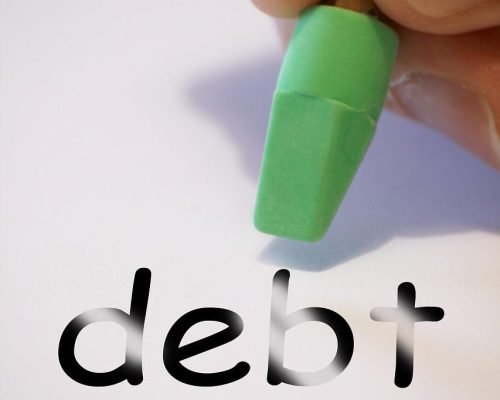
What is Debt Consolidation?
Debt consolidation Mortgages mean paying all of your debts which have high-interest rates. For example credit cards, Loans, and unsecured lines of credit. Consolidate your debt by using the equity built up in your home. Equity means the difference between the value of property and mortgage balance.
If you are facing one of the factors mentioned below it’s time for you to consolidate your debt.
1. Having too much debt starts declining your credit score month by month and once you have a bruised credit, it takes months to build up it again.
2. If you are constantly missing your payments because you don’t have money, use the equity in your house and apply for it to pay off your existing bills.
3. Apart from paying off your bills, you aren’t left with anything in your pocket.
Benefits of Consolidating Your Debt –
With debt consolidation mortgages, you can combine all of your loans, credit cards, and lines of credit, and make it into 1 payment at a very low interest rate as compared to your existing interest rate. With the existing interest rate, I meant to say that the rates offered by the bank on the bank on credit cards and unsecured lines of credit are around 20%. so take out the existing equity in your house and use it towards debt consolidation.
It can help you with building up your credit score, and make a 1 simplified monthly payment. As I already mentioned, the interest rate you will get will be lower than what were paying off before.Don’t ask for money from anyone if you can use the equity in your house. You can apply in the form of a HELOC and Second Mortgage. I already made a short video on Home Equity Line Of Credit and the second m like what the difference between the two.
Debt consolidation is a financial strategy that involves combining multiple debts into a single, more manageable loan or credit line. The primary goal of debt consolidation is to simplify the repayment process and potentially reduce overall interest rates, making it easier for individuals to meet their financial obligations. This process can be applied to various types of debt, such as credit card balances, personal loans, and medical bills.
Here’s a brief description of the key aspects of debt consolidation:
Single Payment:
- Instead of making multiple payments to different creditors, a debt consolidation loan allows you to make a single monthly payment to one lender.
Lower Interest Rates:
- One of the main advantages of debt consolidation is the potential to secure a lower interest rate compared to the average rates on existing debts. This can result in overall cost savings.
Streamlined Finances:
- By consolidating debts, individuals can simplify their financial management. Keeping track of a single payment and due date can be more straightforward than managing multiple bills with varying terms.
Different Methods:
- Debt consolidation can be achieved through various methods, such as taking out a consolidation loan, transferring balances to a low-interest credit card, or using a home equity loan.
Professional Assistance:
- Some individuals seek the help of debt consolidation companies or credit counseling services to negotiate with creditors on their behalf and create a structured repayment plan.
Preservation of Credit Score:
- When done responsibly, debt consolidation can help protect and even improve an individual’s credit score by ensuring timely and consistent payments.
It’s important to note that while debt consolidation can be a helpful financial strategy, it may not be suitable for everyone. Individuals considering debt consolidation should carefully assess their financial situation, explore the terms and conditions of the consolidation option, and ensure that they can commit to the new repayment plan. Consulting with financial advisors or credit counselors can also provide personalized guidance based on individual circumstances.